Sardinia is often described through its coastline, but its identity was shaped elsewhere. To understand what to see in Sardinia beyond the beaches, there is one essential reference point: Sa Die de sa Sardigna. More than a historical anniversary, it marks the moment when the island became fully aware of itself as a people, reclaiming voice, belonging, and cultural autonomy. Starting from this perspective changes how Sardinia is read, visited, and understood.
What Sa Die de sa Sardigna represents
Sa Die de sa Sardigna is celebrated every April 28 and commemorates the events of 1794, when the people of Cagliari revolted against the Savoy administration ruling the island from mainland Italy. The expulsion of the viceroy and more than 500 officials marked a turning point: Sardinians recognized themselves as a community with a shared identity and political awareness.
This is a civic commemoration, not a folkloric or religious one. For travelers, this distinction is crucial. It explains why Sardinia cannot be understood only through landscapes or attractions, but through its historical relationship with autonomy, land, and memory.
Regional Tourism
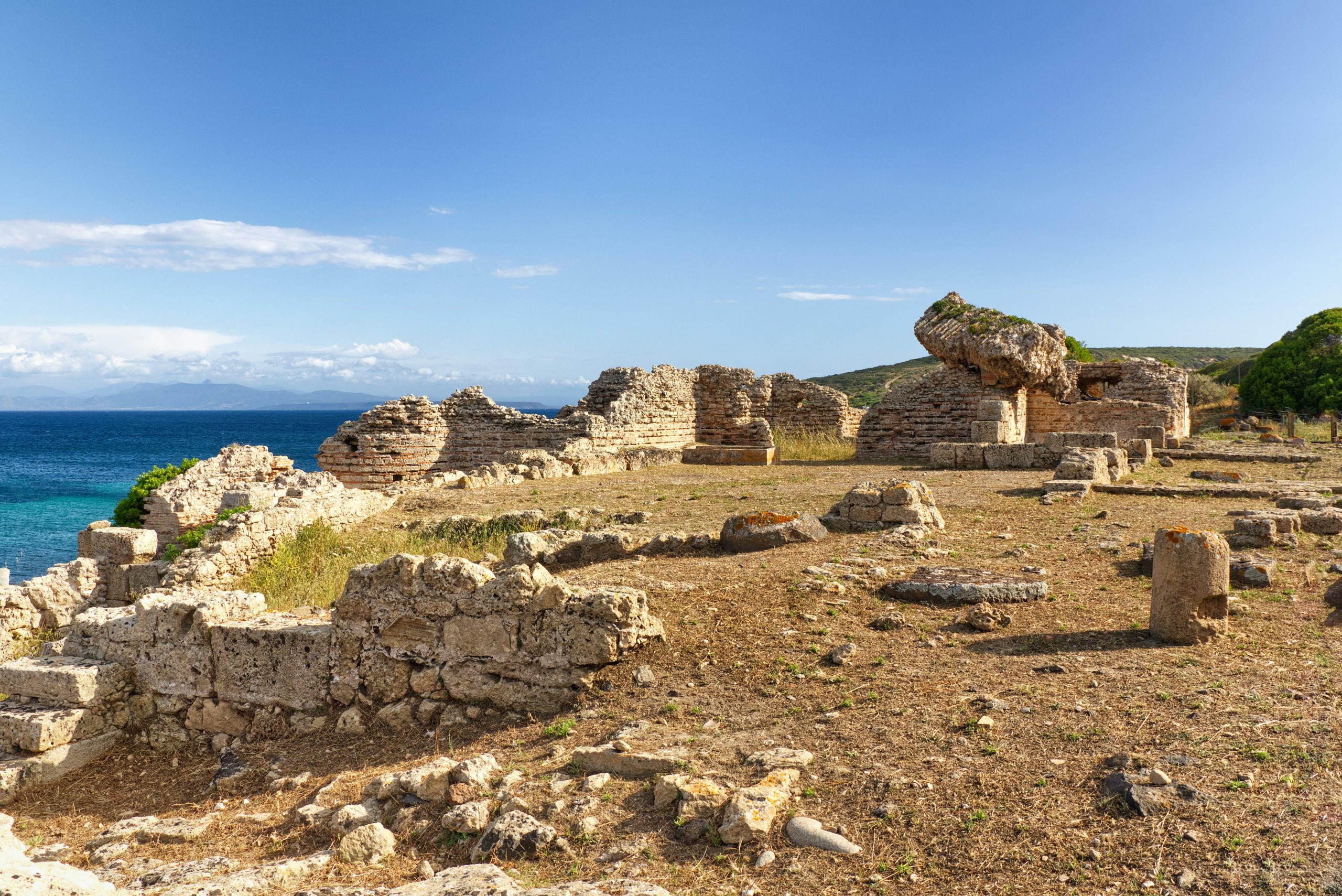
Regional tourism data show that most visitor flows remain concentrated along the coast and during the summer months, while inland areas receive significantly fewer visitors. At the same time, demand for cultural, experiential, and slow tourism in Sardinia is steadily growing. Travelers increasingly search for meaning, context, and identity, not just scenery. This gap between promotion and reality is structural. Sa Die de sa Sardigna helps explain it by shifting the focus from seasonal consumption to long‑term cultural understanding.
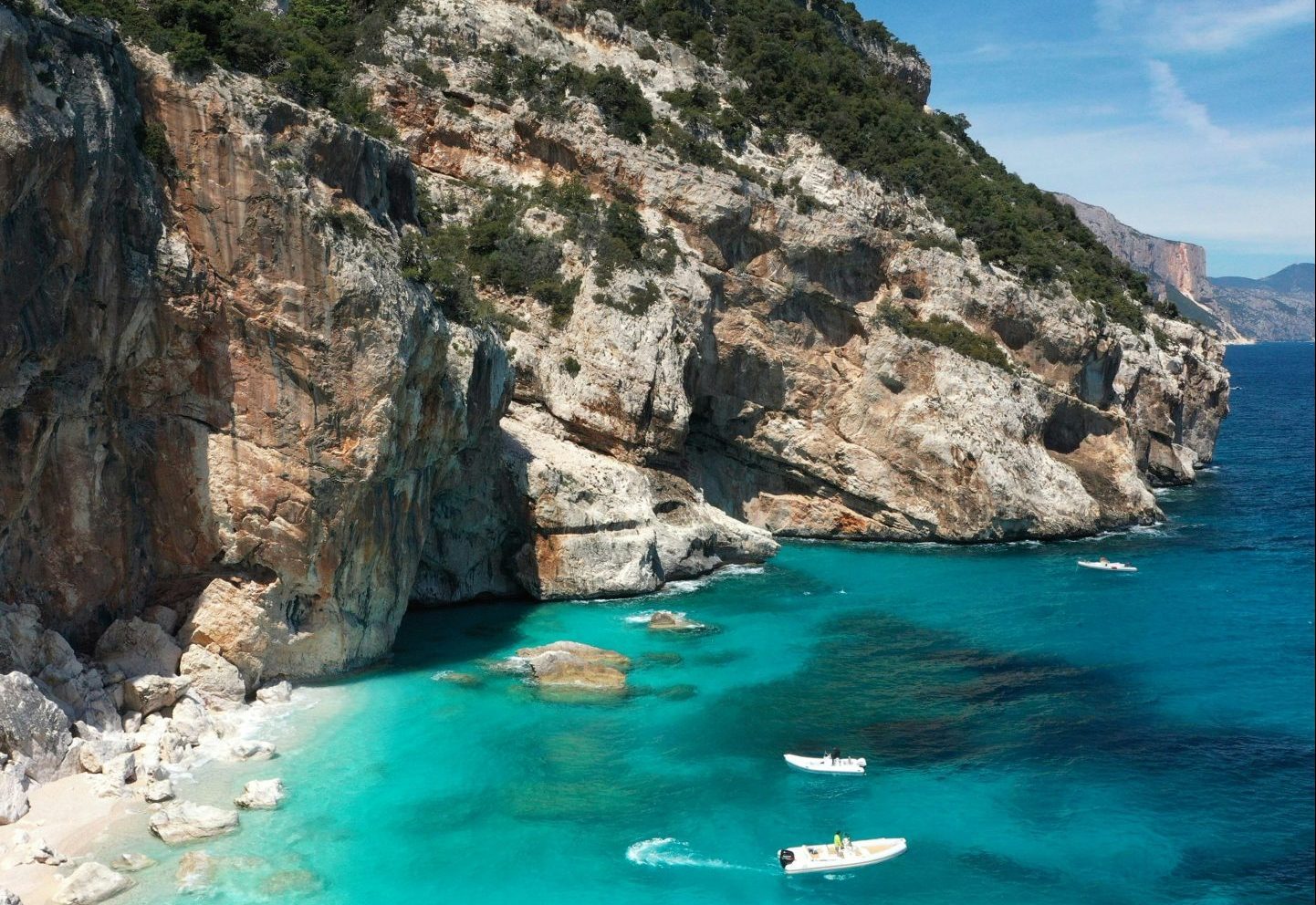
What to see in Sardinia beyond the beaches
Nuragic sites: the foundation of Sardinian identity
The Nuragic civilization is the oldest and most defining layer of Sardinia’s identity. Sites such as Su Nuraxi di Barumini, a UNESCO World Heritage Site, are not isolated monuments. They represent an autonomous civilization deeply rooted in its territory. Visiting these sites means accessing the origins of Sardinia’s sense of continuity and self‑determination.
Barbagia and the inland regions
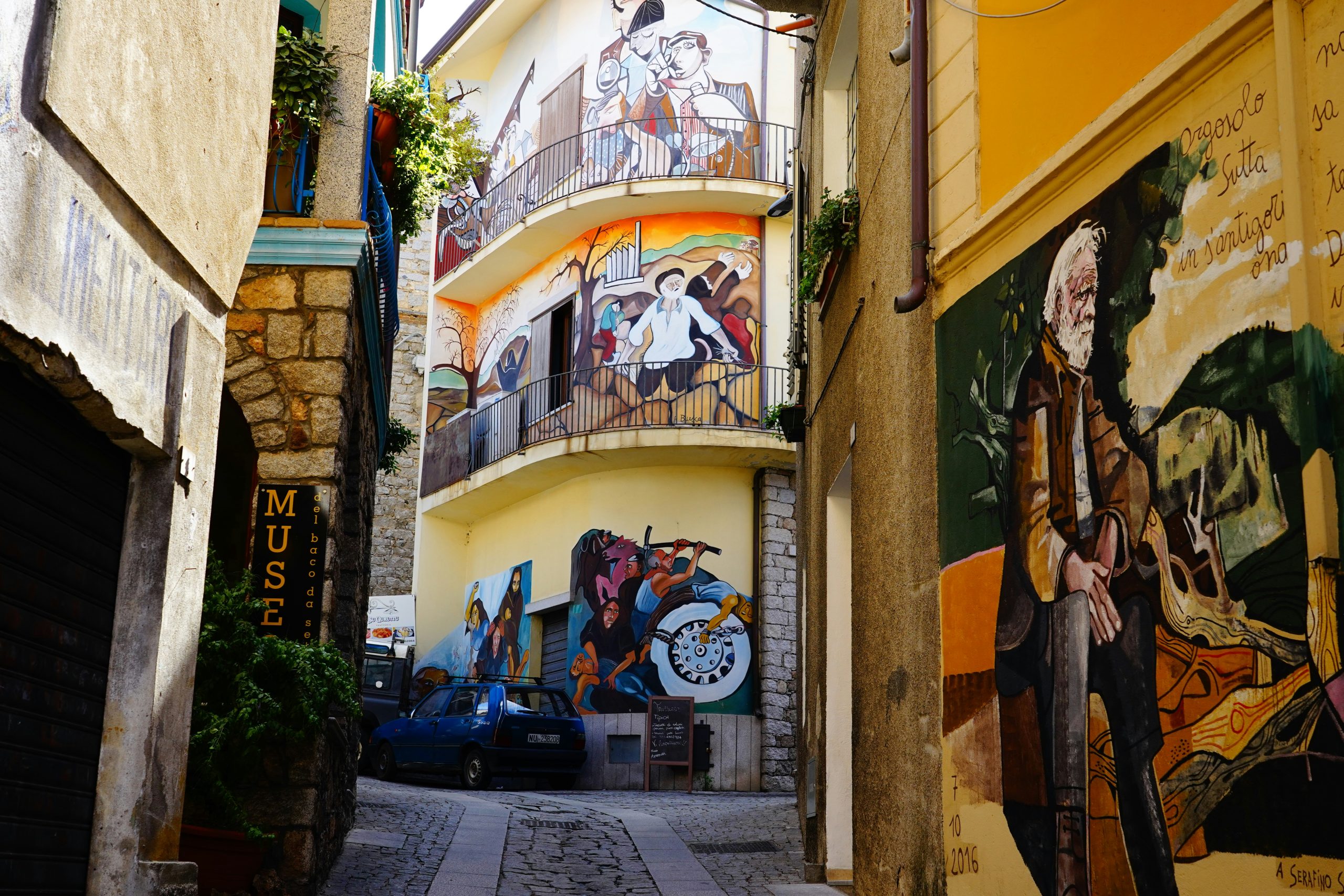
If Sa Die de sa Sardigna is about identity, Barbagia is where that identity is still lived daily. Towns like Nuoro and Orgosolo preserve a strong agropastoral culture shaped by resilience and community ties. Orgosolo’s murals act as visual documents of social struggle, resistance, and collective memory, not as decorative street art.
Landscapes of labor: Sulcis‑Iglesiente
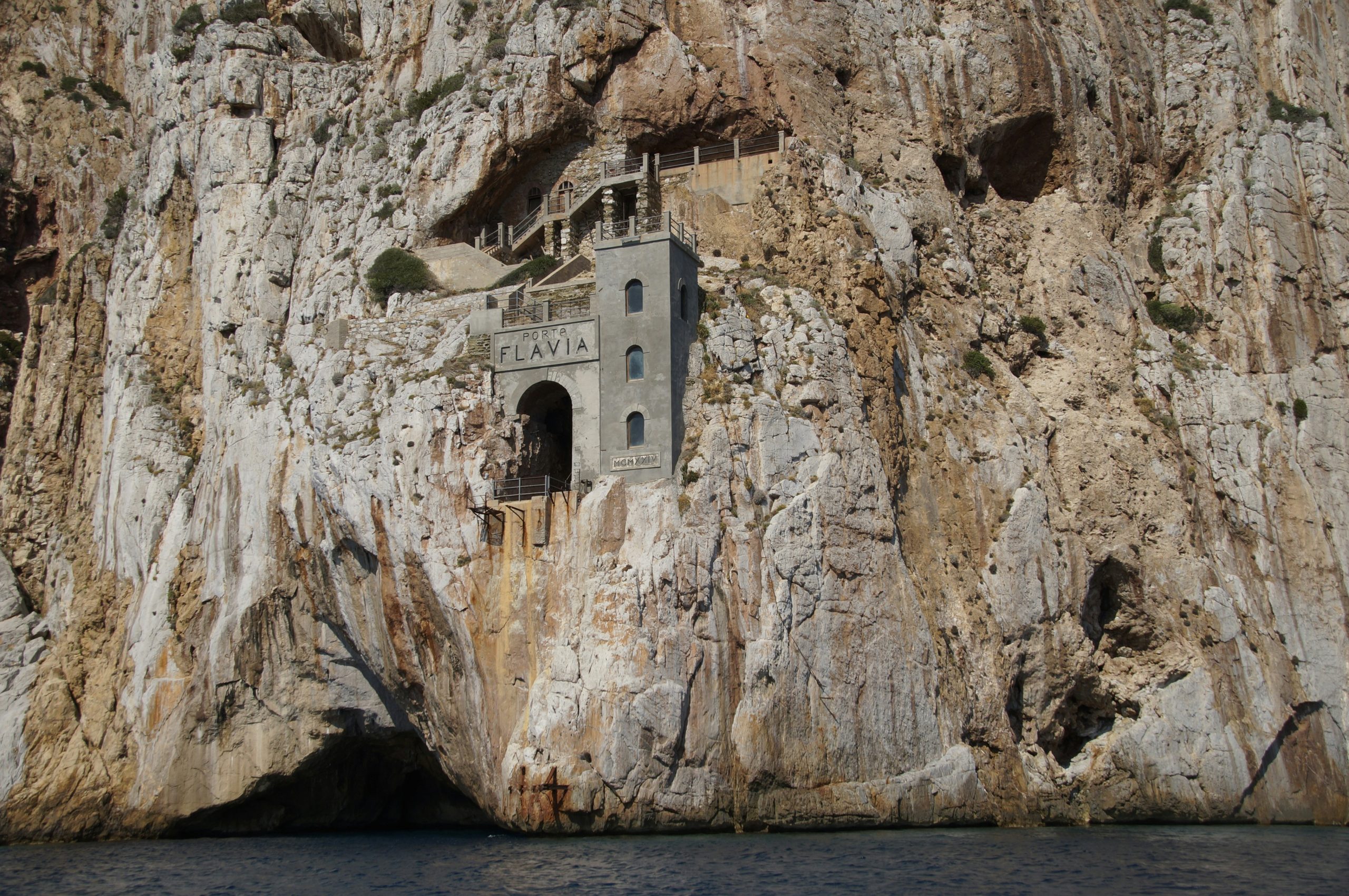
The Sulcis‑Iglesiente region adds another essential dimension to understanding Sardinia. Mining sites such as Masua and Porto Flavia speak of labor, sacrifice, and the relationship between people and land. These places show how identity is built not only through tradition, but through work and endurance.
Walking routes and slow travel in Sardinia
Routes like the Cammino di Santu Jacu, which crosses the island from north to south, and the 100 Towers coastal route offer structural ways to read Sardinia. Walking allows travelers to connect geography, history, and communities into a coherent narrative rather than a sequence of disconnected stops.
Historic towns and layered identities
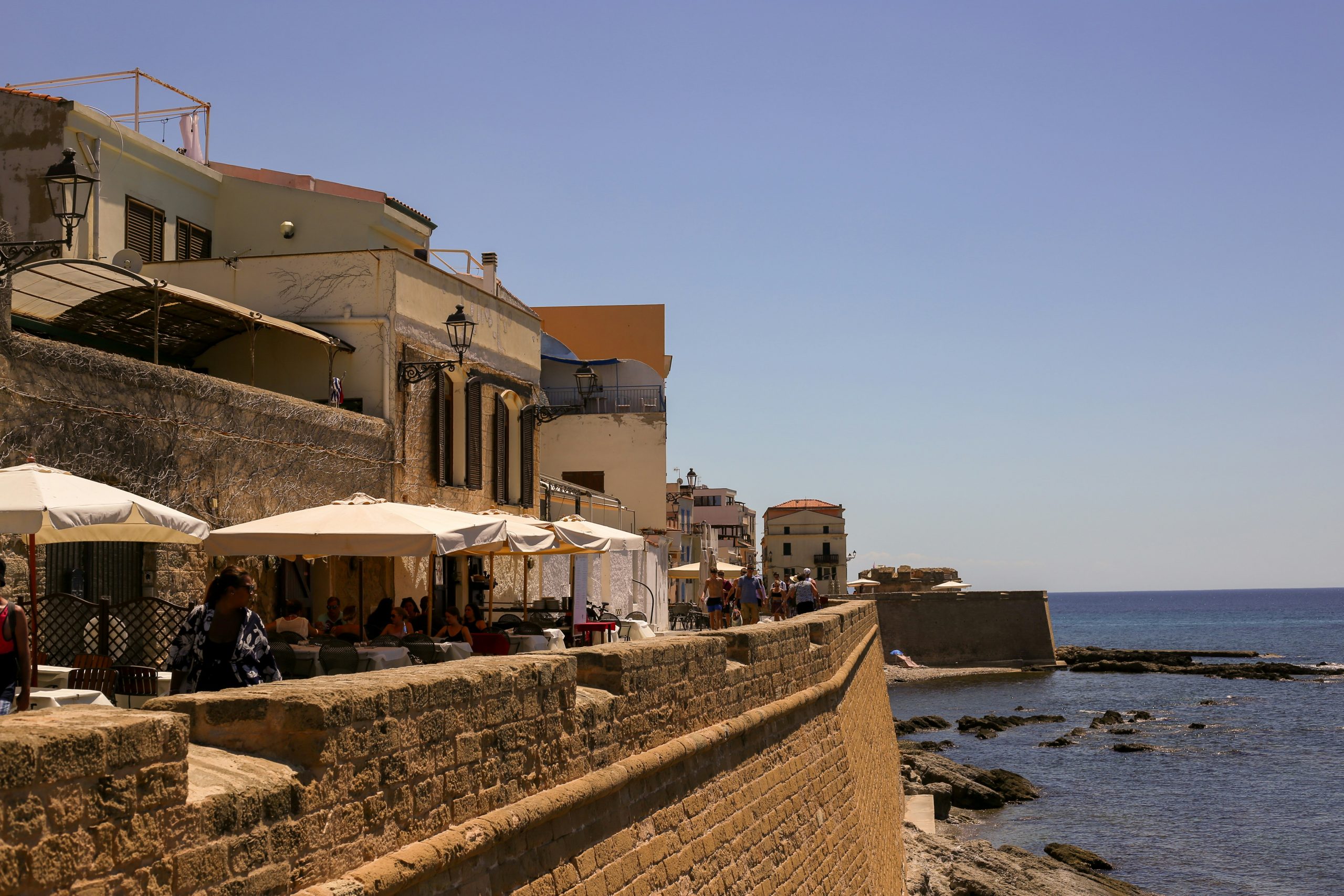
Cities such as Alghero, shaped by Catalan influence, and Castelsardo, suspended between sea and stone, show how Sardinian identity is expressed in urban form. They are not secondary to the coast, but essential to understanding the island’s cultural architecture.
Understanding what to see in Sardinia beyond the beaches requires a shift in perspective: from consuming places to reading territory. This is the approach followed by Fuoritinerario, which designs journeys grounded in Sardinia’s history, inner landscapes, and cultural identity. Traveling with this mindset allows the island to reveal itself not as a destination, but as a living narrative shaped by people, land, and memory.