Travelling to Italy is never tied to a single season. Each moment of the year reveals a different balance between places, people, and landscapes.
Autumn, however, offers particularly favourable conditions to experience the country with clarity and comfort. Temperatures become more moderate, daily rhythms slow down, and many regions returns to their natural pace after the intensity of summer.
What follows is a selection of places and experiences that illustrate this shift.
Piemonte and the Langhe: seasonality becomes culture
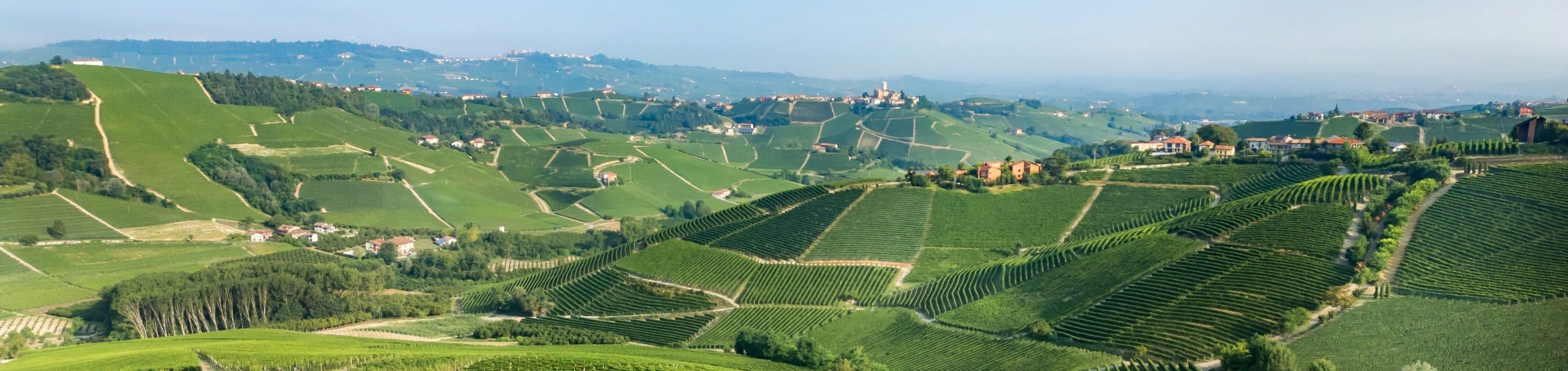
In the Langhe, autumn is when the region becomes fully readable.
This is the time of year when production defines the landscape. Vineyards move toward harvest, hazelnut groves are in their most active phase, and food traditions are directly tied to what the land is offering at that moment. What might seem like a quiet countryside reveals itself as a natural system.
Experiencing this context means stepping into places where production actually happens: walking through hazelnut groves, entering processing spaces, or spending time in a family-run winery where cooking and wine are closely connected.
Even movement through the landscape changes perspective. Crossing the Barolo hills by e-bike or following a slower route through vineyards and villages allows you to see how each element relates to the others: cultivated land, small settlements, and production spaces existing within the same structure.
Liguria following the rhythm of the coast
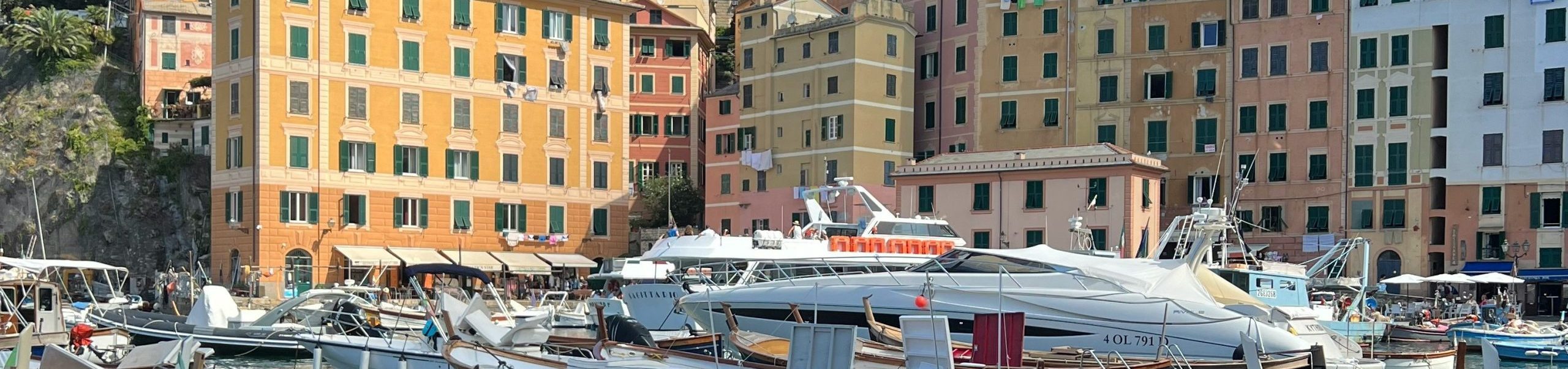
Along the Ligurian coast, the difference in autumn is in how you experience it.
Paths between Camogli and the Portofino promontory return to a more natural rhythm. Walking along these routes, you begin to understand how movement here has always been practical, linking coastal communities with inland areas through narrow tracks shaped over time.
With the presence of fewer visitors, the coastline reads differently: fishing traditions, terraces, and small settlements emerge as part of a continuous system.
The same applies when entering Genoa. Visiting historic botteghe or moving through local markets is not structured around tourism, but around the daily life of the city. A food experience here is a way to understand how a port city has built its identity through what it produces, trades, and consumes.
Umbria, pace shapes access
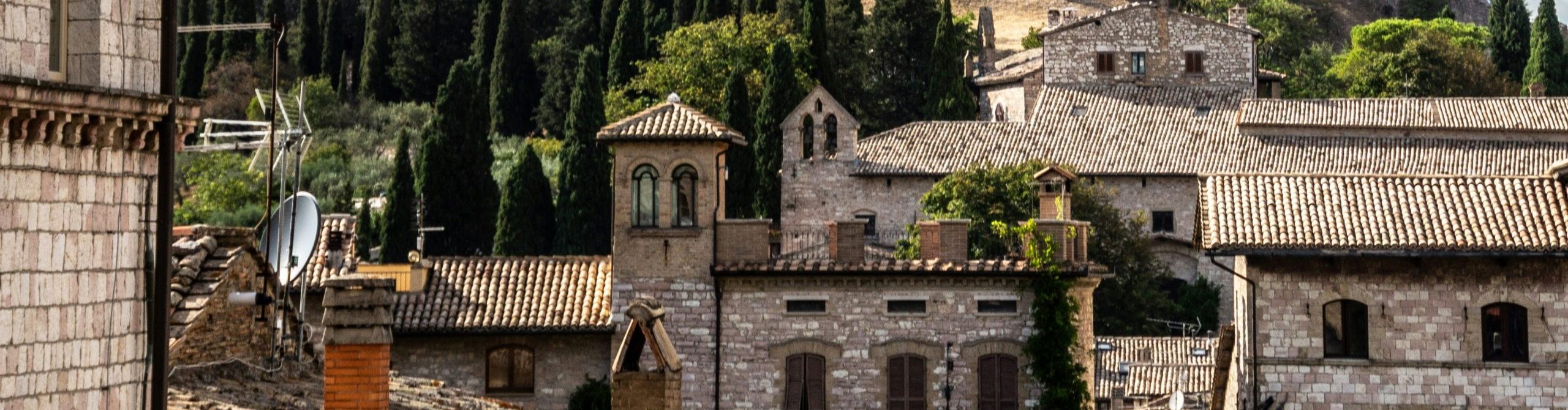
In Umbria, autumn makes it easier to enter places as they are.
In Perugia, workshops and small production spaces are open within their daily rhythm. You don’t observe a process; you step into it, whether in a glass studio, a weaving workshop, or a chocolate laboratory, where production continues independently of tourism.
The same applies in the countryside. Moving between farms, vineyards, or beekeeping environments reveals how closely land and seasonality remain connected.
Across all these regions, the advantage of travelling in autumn is the change in the quality of experience itself. With a slower pace and less pressure, it becomes possible to move more naturally through landscapes, engage more directly with local activities, experience places as they function, and structure time with greater flexibility.