When thinking about Italy, the narrative is often dominated by cities, art, food, and history. These elements are central, and they shape much of how the country is perceived.
At the same time, Italy is equally defined by its landscapes. Alpine environments, coastal paths, rural regions, and open territories are not separate from its culture, but part of it: places where geography and human presence have evolved together over time.
Travelling outdoors in Italy is not simply a question of activity. It is a way to engage with the country more directly, through movement, landscape, and local knowledge.
Walking through a vineyard in Piemonte, cycling across the Dolomites, or exploring coastal trails in Puglia is not just physical. It reveals how landscapes are shaped by human presence, how traditions adapt to geography, and how daily life unfolds beyond cities.
Exploring the landscape through activity
In Italy, spending time outdoors often means following a path, crossing a valley, or moving between areas that are usually only seen from a distance.
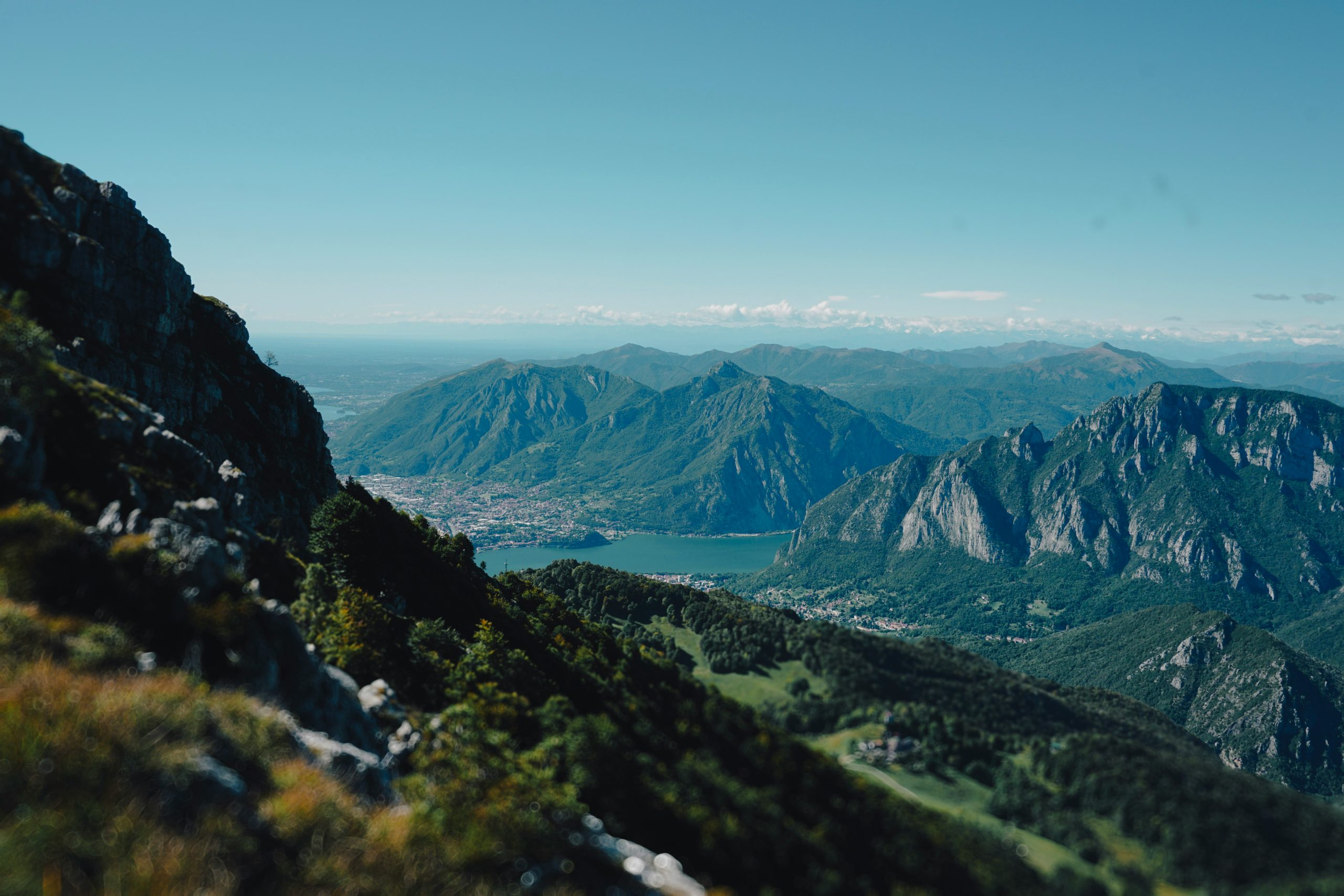
A morning hike in the Dolomites is not just about being in nature, but about understanding how these mountains are structured. You start in a village, move through the forest, reach open pastures, and continue toward higher ground, where scale becomes more perceptible. The landscape is no longer a view, but something you move through step by step.
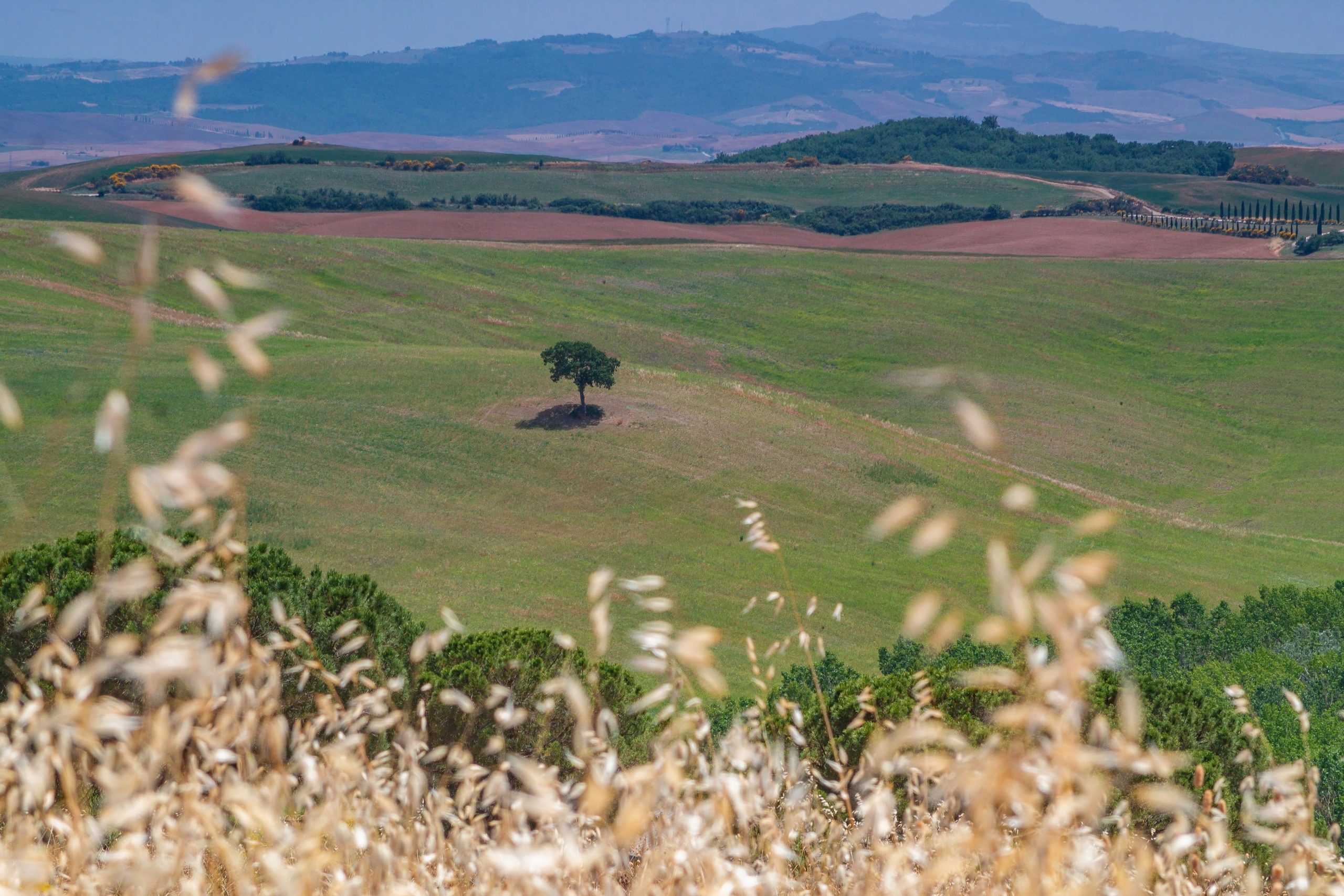
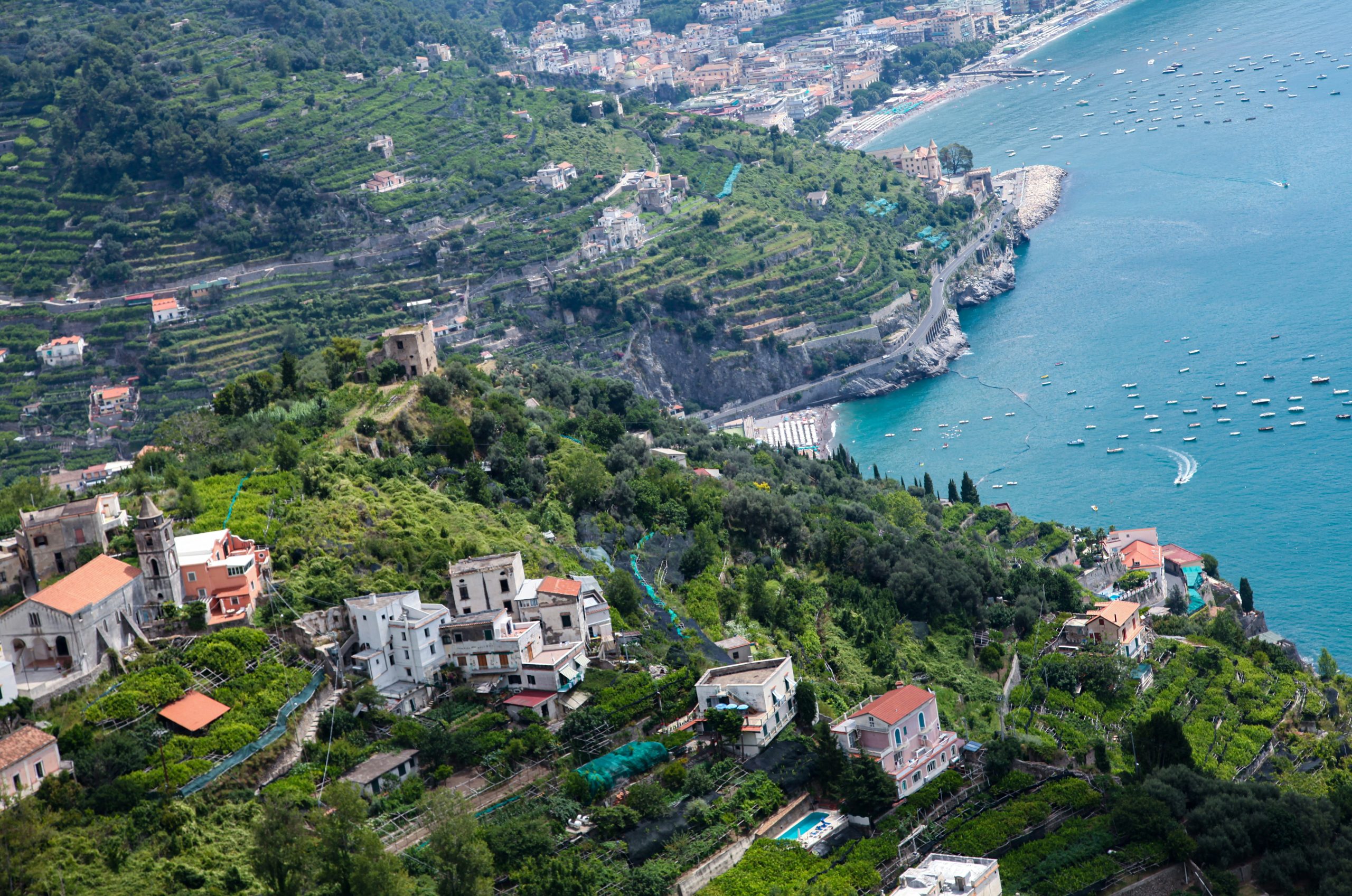
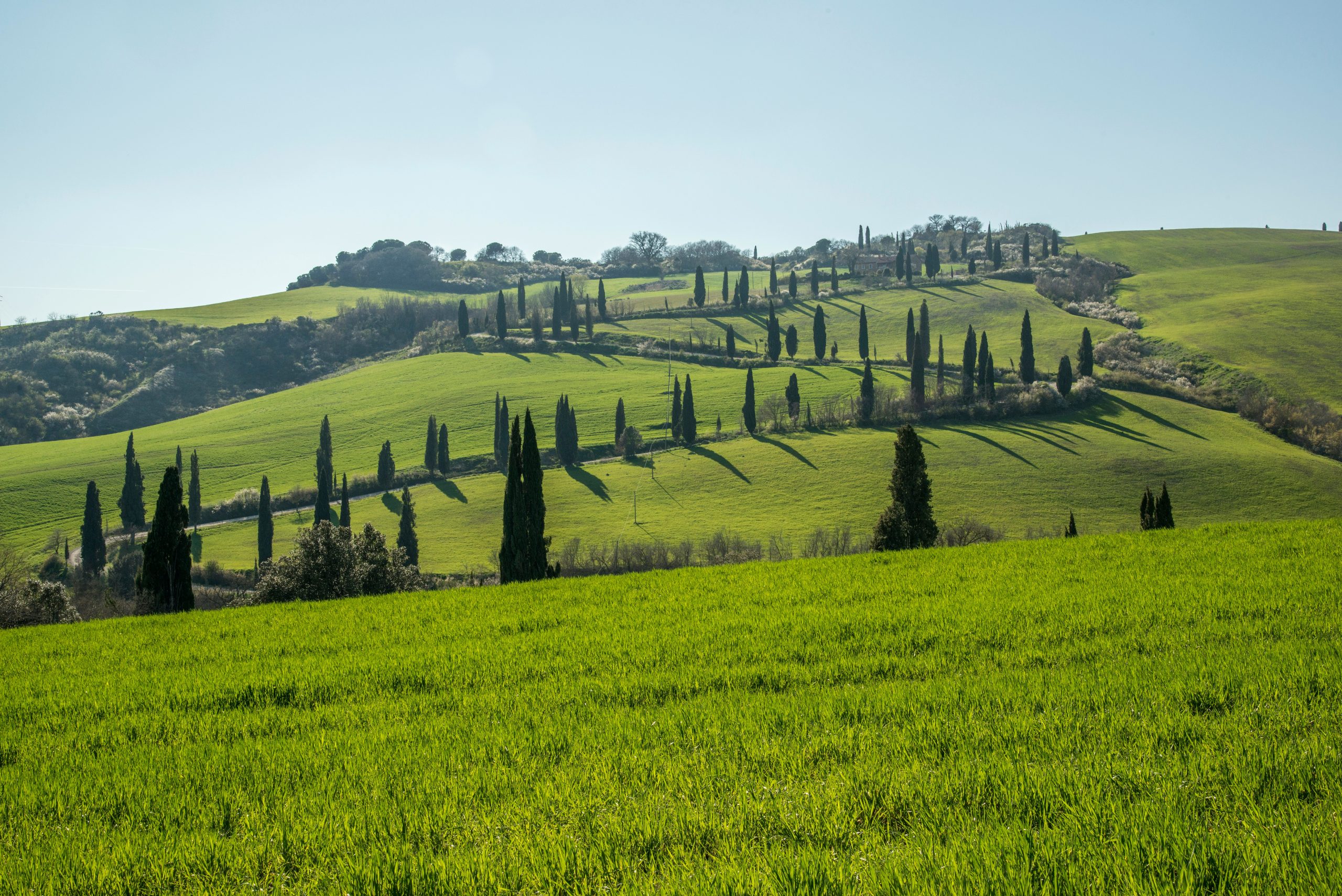
The same applies in other regions. Cycling in the countryside around Siena or the Langhe means passing through working land, not untouched scenery. Walking along the coast in Puglia means moving between towns, cliffs, and cultivated areas.
These are not activities added to a trip. They are often the clearest way to understand how a place functions.
Connecting with local culture
Being outdoors in Italy rarely means being isolated. More often, it brings you closer to how people live and work.
In the mountains, it might mean stopping at a small dairy after a morning activity, or meeting a local guide who explains how certain routes have been used over time. In rural areas, it often connects directly to food, with visits to producers who are part of the same landscape you have just crossed.
Even a simple meal takes on a different meaning: it reflects what grows there, what is in season, and how that area has adapted to its environment.
These moments do not sit alongside the experience. They belong to it.
Outdoor travel and sustainability
There is also a practical reason why this way of travelling matters. When time is spent across different areas, including smaller towns and rural regions, the impact of travel is distributed more evenly. It reduces pressure on the same crowded centres and supports places that are part of the territory but often overlooked.
It also changes how time is used: fewer rushed visits, more continuity within each place, and a more direct connection with local contexts.
This is where outdoor travel and sustainability meet: in how a journey unfolds – where you go, how you move, and how long you stay.
Experiencing Italy through outdoor travel is not about adding activity to a journey. It is about changing perspective. It means moving through places rather than simply observing them. Understanding how landscapes are used, not only how they look.