Travelling to Italy outside peak season is often described as a practical choice: fewer crowds, lower prices, better availability. All true. But this perspective only captures part of the picture.
Off-season travel in Italy is not simply more convenient. It is, in many cases, a more coherent way to experience the country, one that aligns with the natural rhythm of places, with the people who live there, and with a more balanced use of resources.
A different rhythm, closer to the real Italy
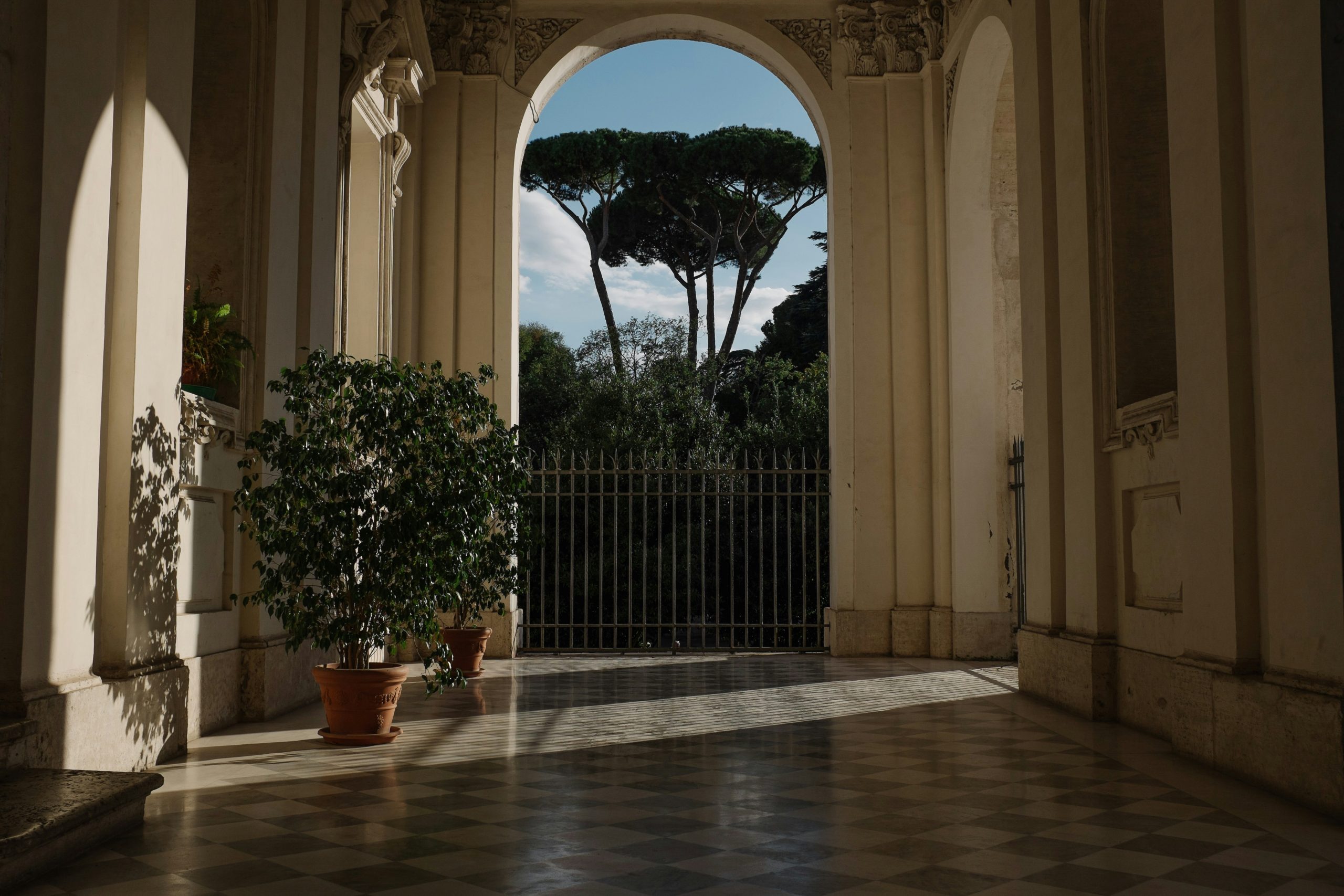
In cities such as Rome, Florence or Venice, travelling outside peak season changes the way space and time are experienced. Without the constant pressure of large crowds, it becomes possible to move more freely, but also more attentively. Streets, piazzas and historical sites are no longer something to navigate through, but something to read.
This slower rhythm allows travellers to:
- Spend time in places without being rushed.
- Notice details that are often missed during peak months.
- Experience continuity.
Access to everyday life and local relationships
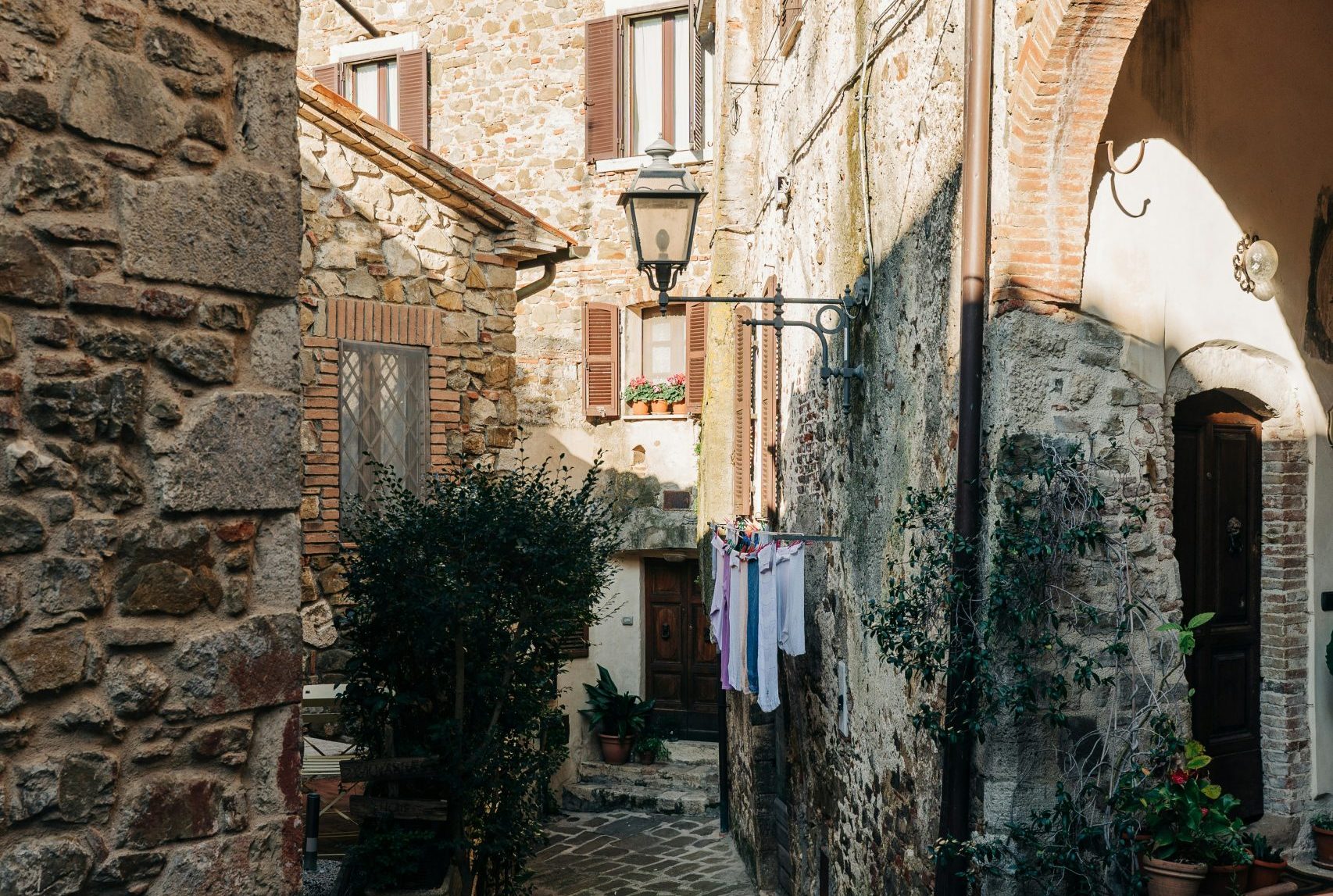
One of the most meaningful aspects of travelling off-season in Italy is the increased visibility of everyday life. Markets return to serving residents rather than tourists. Restaurants follow their regular pace. Small shops and artisans are more available for conversation.
In regions like Emilia-Romagna, Puglia or Piemonte, this often translates into more natural and unfiltered exchanges: a producer explaining how a product is made, a market vendor suggesting what is truly in season, a restaurateur adjusting a dish based on what is available that day.
These are not “special experiences”, but ordinary moments that become accessible again when tourism pressure decreases.
Sustainability as a matter of timing
Travelling outside peak season in Italy also has a direct impact on how destinations function.
During high season, many areas – especially historic centres and coastal regions – concentrate large numbers of visitors in a short period of time. This puts pressure on infrastructure, local communities and natural resources.
Choosing to travel off-season contributes to a more even distribution:
- Reducing congestion in peak months.
- Supporting local businesses over a longer period.
- Allowing places to maintain a balance between visitors and residents.
This is a practical form of sustainability, based not on declarations, but on when and how travel takes place.
When to travel off-season in Italy
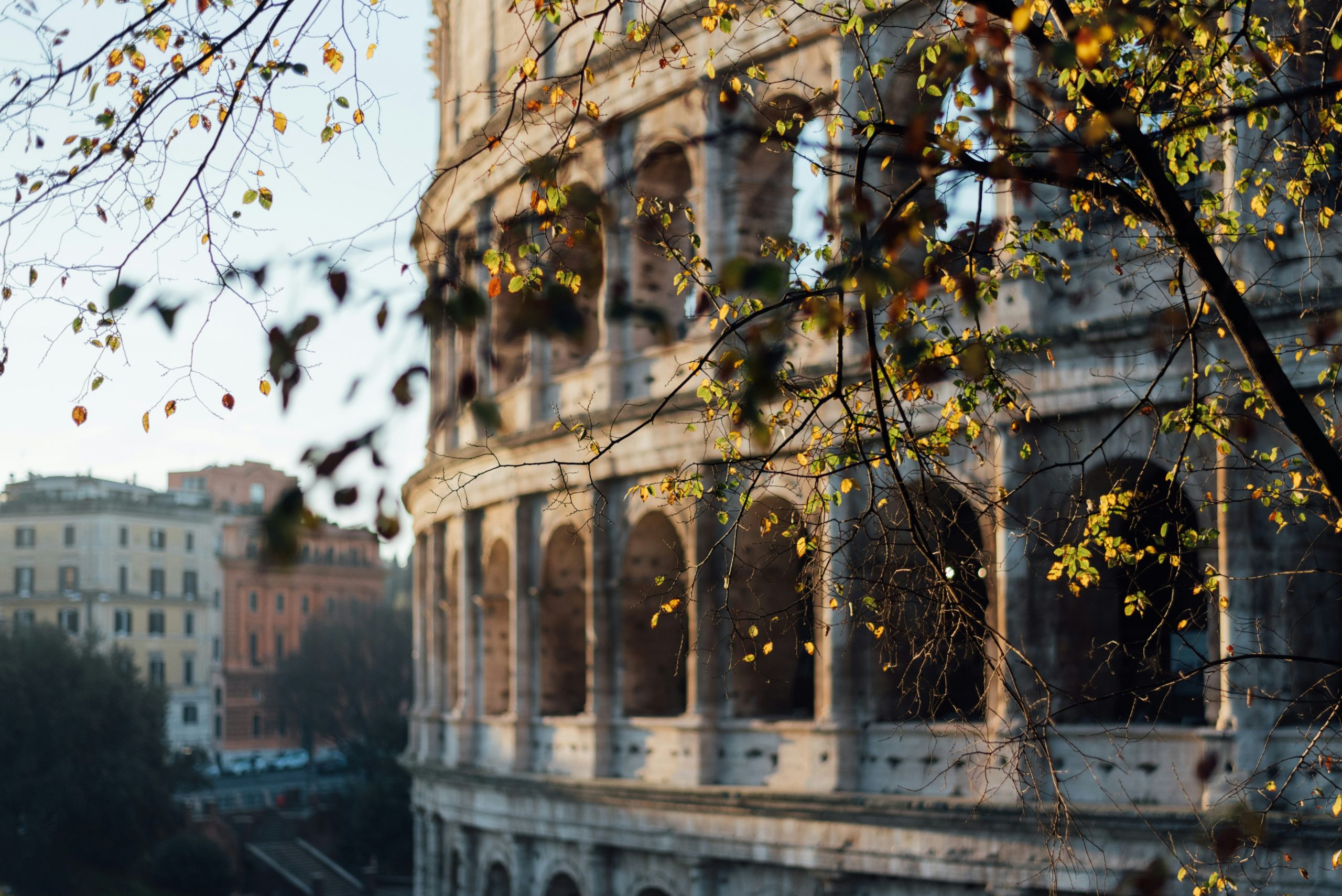
Off-season travel in Italy unfolds between late autumn and early spring, a period that is often overlooked but particularly rich in meaning for those seeking a more balanced experience.
Late autumn, especially November, offers a slower rhythm after peak flows have subsided, with strong connections to seasonal food traditions in regions such as Piemonte, Tuscany or Umbria.
Winter, outside the Christmas period, reveals a quieter dimension of cities like Venice, Rome or Florence, where cultural sites can be experienced with greater continuity and everyday life becomes more visible.
Early spring, from March to early April, brings a renewed sense of movement without the density of high season, with longer days and more comfortable conditions for exploring both urban and rural spaces.
Across these moments, the advantage is not only logistical, but cultural: travelling during this period allows for a closer alignment with local rhythms, a more natural access to places and people, and a more sustainable distribution of tourism over time.
Designing journeys differently
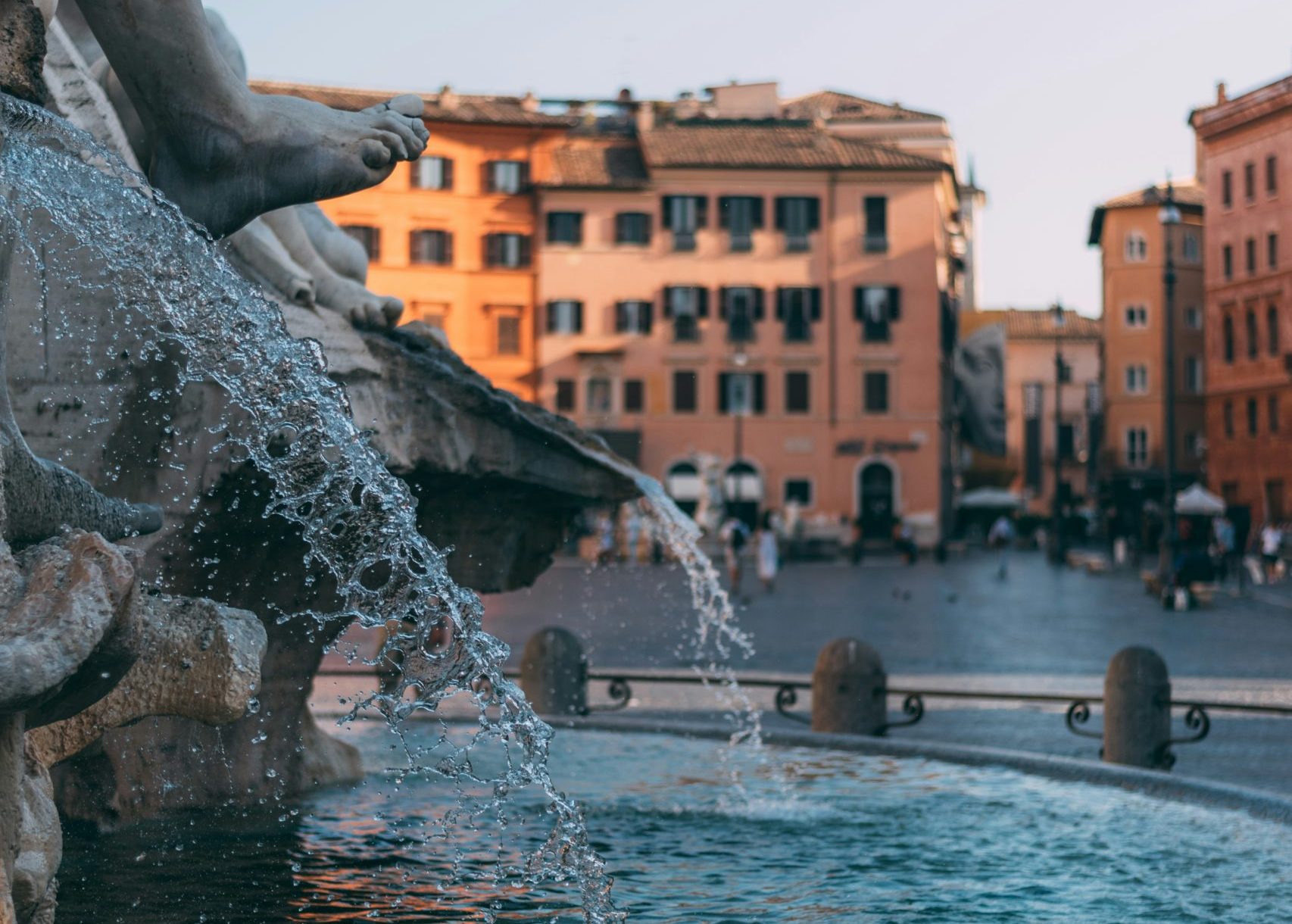
Travelling off-season also allows for a different way of structuring an itinerary. Rather than moving quickly between multiple destinations, journeys can focus on:
- Spending more time in fewer places.
- Engaging more directly with local environments.
- Allowing flexibility in daily plans.
Travelling off-season does not mean giving something up. It means choosing to engage with Italy differently.