If you want to understand a place, where should you start?
Writers and journalists have often pointed out that most revealing places in a city are not always its cultural institutions, but its food stores, markets, and grocery shops, places where you can touch, smell, and observe local habits.
Grocery Tourism as a trend
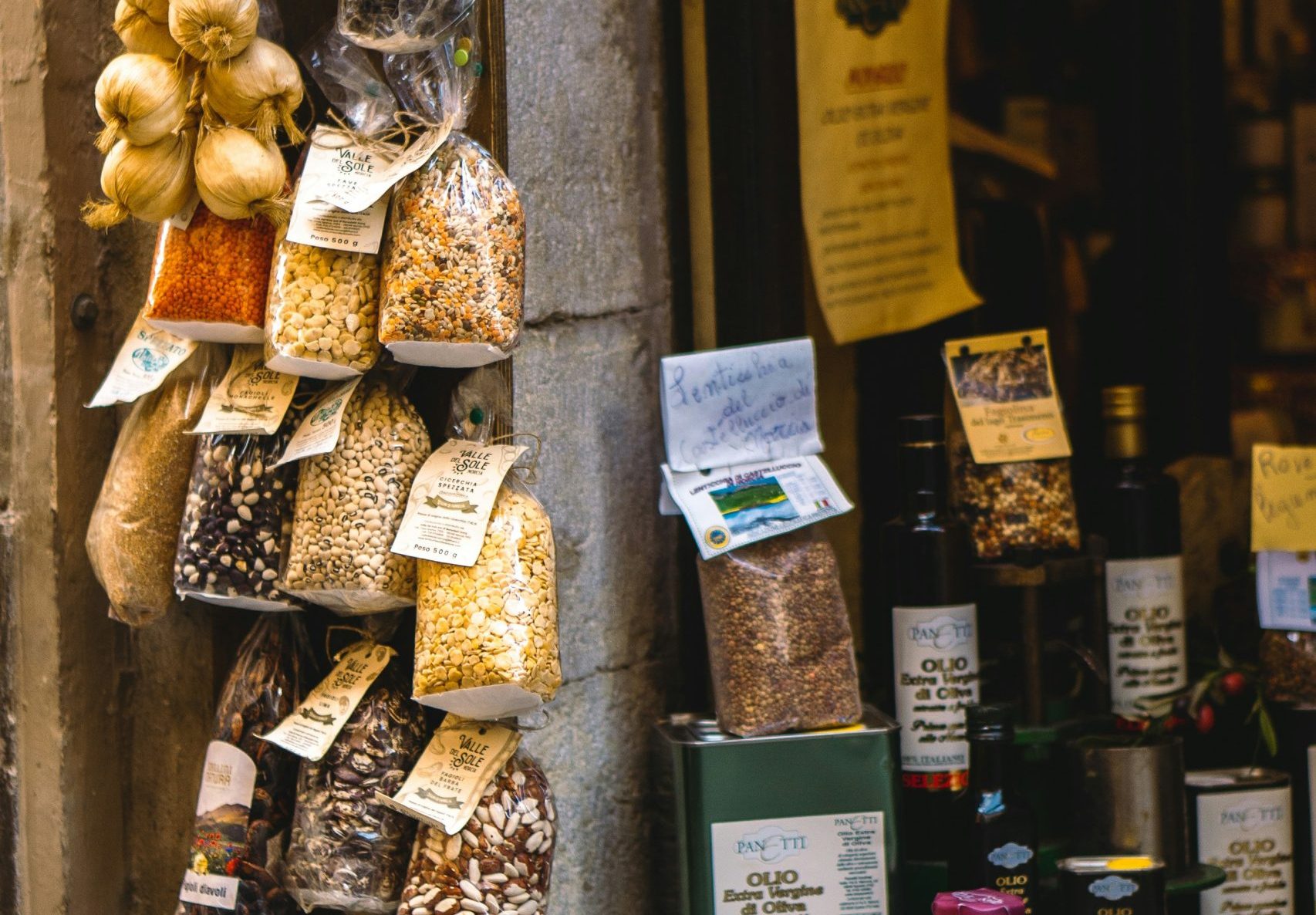
In recent years, this idea has taken shape in what is often called grocery tourism: visiting supermarkets while travelling, walking through aisles to observe prices, packaging, formats and unfamiliar products. For many curious travellers, it has become a spontaneous and reevaling part of the journey.
But while supermarkets can offer a snapshot of daily consumption, they remain only one layer of the story. To truly understand a local culture, you often need to go one step earlier.
Markets as living cultural spaces
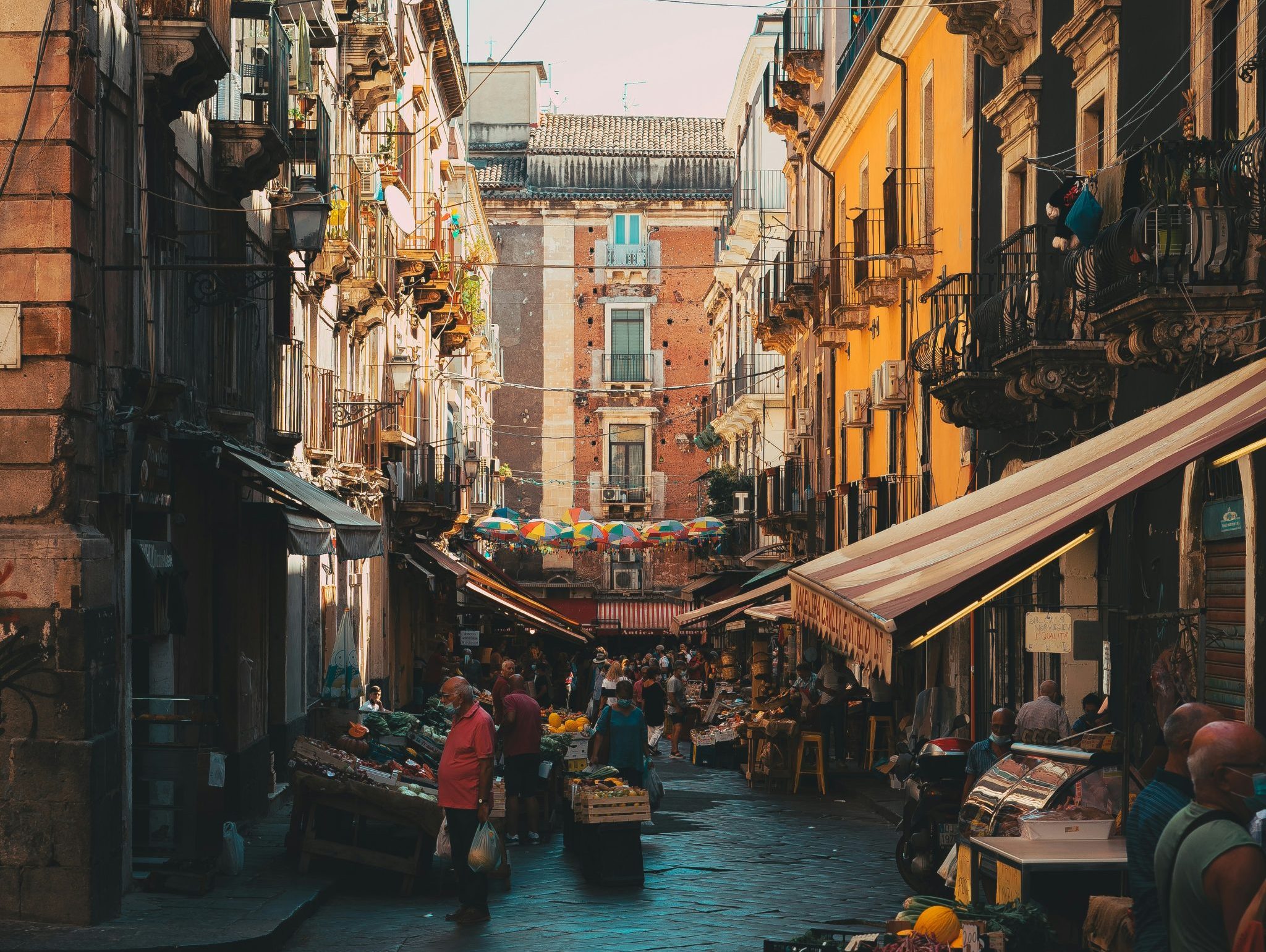
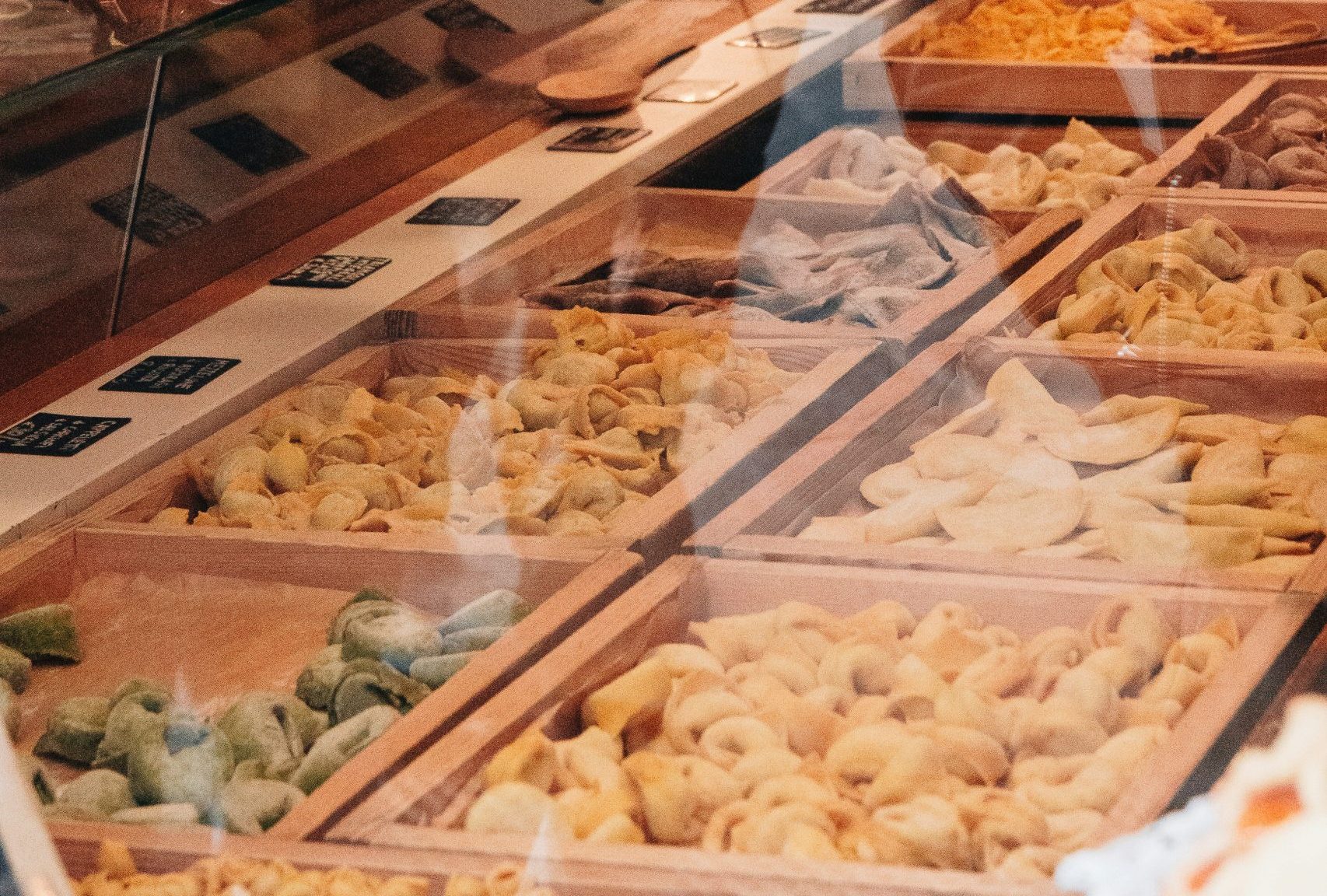
Local markets are where food culture becomes relational.
They are places of exchange and conversation. Here, products are explained, recommended, argued over and remembered.
Markets reveal:
- What grows locally and what does not.
- Which ingredients are seasonal, abundant, or scarce.
- How people cook at home, not just how they eat out.
- How tradition and practicality coexist.
Food rituals are one of the most powerful ways to understand a society, and how food is chosen, distributed, and prepared says as much about a culture as its monuments.
Learning to read a place through its markets
At Fuoritinerario, we see food spaces as entry points into everyday culture, and markets as places where this culture can be experienced.
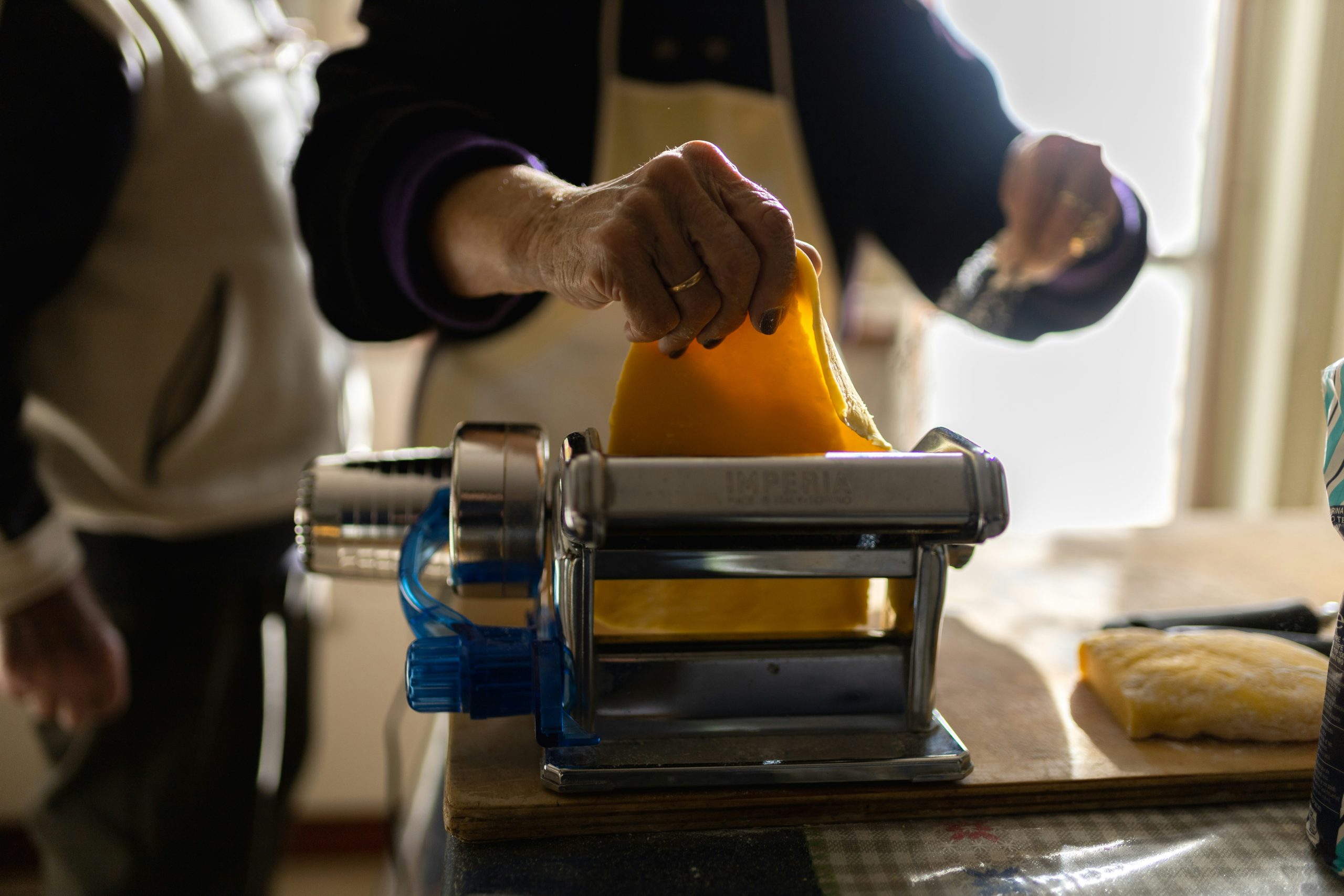
This is why, in many of our journeys, local markets are central moments of the experience. Always guided, and often followed by something even more important in the Italian culture: cooking together.
Visiting a market with a local guide means learning how to read it. Understanding which stall matters, which product is ordinary and which is special, what people actually buy and how they talk about it. Cooking what has been bought transforms observation into participation.
Culture you can taste
In Italy, where regional identities are deeply rooted in food culture, this approach becomes especially powerful. Each market reflects a specific landscape, history, and rhythm of life. To walk through it with attention is to read the place as it is.
So, what tells local culture better: a museum or a market? The answer is not either-or: travelling well means learning to recognise both. But when it comes to understanding everyday life, few places speak as clearly as those where food is chosen, handled, and shared.