By 2026, travel has entered a more deliberate phase. Industry data and consumer research consistently show the same shift: travelers are no longer focused on how many places they visit, but on how meaningful, balanced, and well-designed their journeys are.
According to multiple international travel reports, over 70 percent of travelers now prioritise quality of experience over quantity, while more than 60 percent say they are willing to change destinations or travel styles to avoid overcrowding. This marks a structural change, not a temporary preference: travel is increasingly perceived as a form of personal and cultural investment rather than a simple leisure activity.
Travel choices are more selective, stays are longer, and itineraries are designed to reduce unnecessary movement. Comfort remains essential, but it is understood as reliability, coherence, and ease rather than excess. Authenticity is no longer sought through staged experiences, but through real connections with places and people. Within this context, one approach clearly stands out as both a trend and a response to these evolving expectations: slow travel.
Slow travel: a method, not a trend
Slow travel is often misunderstood as “doing less”. In reality, slow travel is best described as a method of travel design.
It is based on three measurable principles:
- Fewer destinations per trip.
- Longer stays in each place.
- Greater attention to local context, people, and rhythm.
Research shows that travelers who stay longer in one destination report higher satisfaction levels and a lower perception of travel fatigue, even when itineraries are culturally rich and well structured. Slowness, in this sense, improves both experience and comfort.
Slow travel also has tangible sustainability implications. Longer stays distribute economic value more evenly, support local businesses over time, and reduce pressure on highly saturated destinations.
Why slow travel works particularly well in Italy
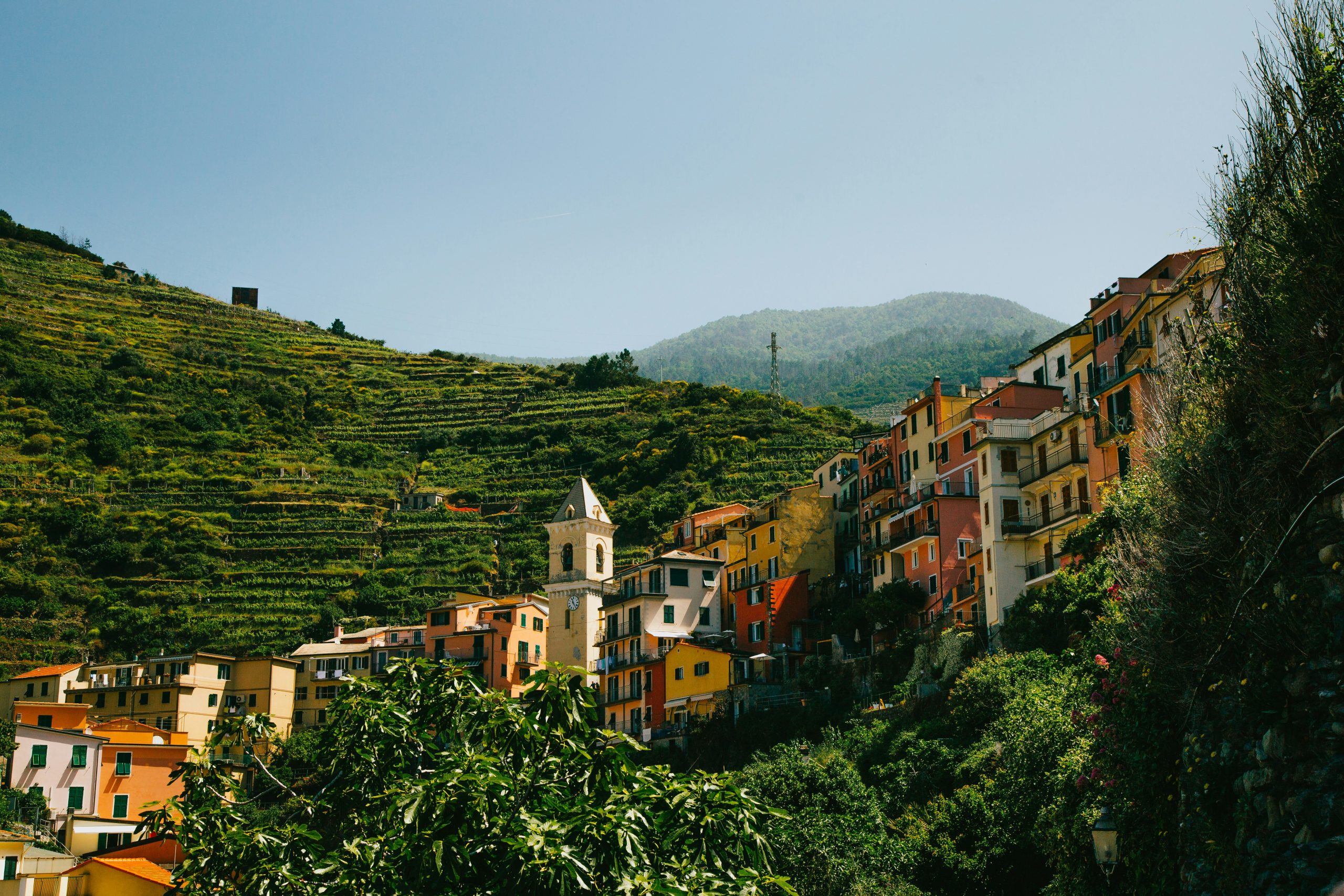
Italy is not a country that reveals itself quickly. Its regional identities, landscapes, and traditions are layered and deeply connected to everyday life. Understanding them requires time and continuity.
Slow travel in Italy allows travelers to:
- Experience regional differences beyond stereotypes.
- Engage with local professionals, guides, and artisans.
- Move at a pace aligned with the territory rather than against it.
Time as a value, not a constraint
One of the strongest drivers behind slow travel is the re-evaluation of time: time is no longer treated as something to optimise aggressively, but as a resource that shapes the quality of the journey.
Longer stays reduce logistical stress, improve orientation, and create space for unplanned moments. The result is a more fluid, balanced experience that feels both richer and lighter.
A mature direction for contemporary travel
In the broader landscape of travel trends, slow travel represents a natural evolution. It aligns with the growing demand for meaning, comfort, and responsibility, without renouncing cultural depth or quality.
For a country like Italy, it is not simply an alternative way of travelling. It is often the most coherent one.